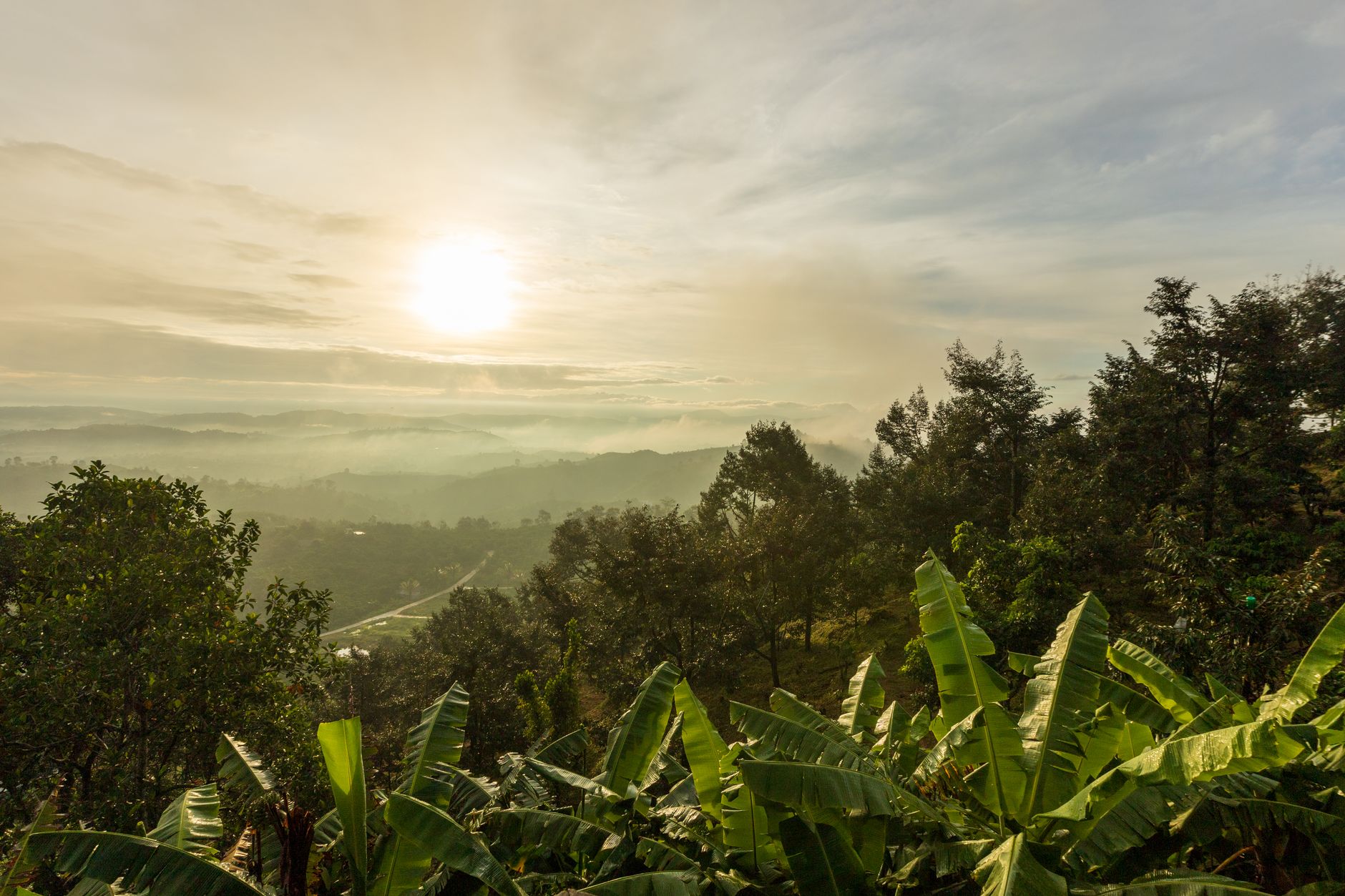
Can Bwindi trek happen in rain? Yes, and the shorter version of every ranger briefing is simple: rain is normal, the forest expects it, and your trek still happens. Bwindi Impenetrable National Park is not a savanna where wet roads close. It is a mountain rainforest where gorillas stay active in cloud and drizzle year round.
Can Bwindi Trek Happen in Rain? Yes, Every Day
Yes. A Bwindi gorilla trek runs whenever your permit says it runs, and Uganda Wildlife Authority does not cancel because of rain. Only an active electrical storm with lightning can pause a departure near the trail, and that pause rarely lasts. Bwindi’s altitude between 1,160 and 2,607 meters makes rain possible in any month, not just the wet ones.
Rain does not change park rules. Your permit is tied to a date. If you cannot face a wet forest, choose a drier month rather than expecting the park to move a rainy day later. The extra planning pays off in a calmer experience.
What Actually Changes on the Trail When It Rains?
Rangers still lead you to the same gorilla family. Rain mainly adds mud, slower footing, and slippery descents on Bwindi’s steep ridges. Round-trip trekking time still runs roughly 2 to 6 hours, depending on where the family nested overnight. The fixed one-hour viewing window once you find them stays exactly the same, rain or not.
Bwindi’s four sectors do not feel the same in wet weather:
- Buhoma has the gentlest gradient, so it stays most comfortable when trails are slick.
- Ruhija sits highest and cools fastest; showers arrive quickly, but the high forest has its own appeal.
- Rushaga mixes moderate slopes with sections that turn slippery fast.
- Nkuringo uses the steepest approach, so it demands the most care in a downpour.
No sector closes because of rain. For trekkers with knee or mobility concerns, read planning a trek with knee or mobility concerns before you choose a sector and rainy-season dates.
Does Rain Affect the Gorilla Encounter Itself?
Rain often improves it. Gorillas cluster together under canopy cover during rainfall instead of spreading out to forage, so groups tend to sit tighter and closer to the trail. Rangers track overnight nest sites every morning regardless of weather, so location knowledge, not rainfall, determines how fast you reach the family.
The challenge is your comfort, not the animals. Gorilla trekking in the rain needs better gear and a steady grip. The actual minutes with the group can feel more intimate when the forest is hushed and wet.
What Should You Pack for Gorilla Trekking in the Rain?
Pack waterproof hiking boots with ankle support, a rain poncho or waterproof jacket over breathable layers, and gaiters to keep mud out. Bring a dry bag for your camera and phone, and gardening gloves for gripping wet vegetation. These are not optional extras. They turn a slippery, wet hike into a controlled one and keep the gear you traveled with safe.
Use this order when you pack:
- Boots first. Choose ankle-high models, not sneakers or sandals.
- Rain layer next. A poncho covers your pack better than a jacket alone.
- Gaiters. They keep mud and water from pouring into your boots.
- Dry bag. Even a weatherproof camera case benefits from one inside your daypack.
- Gloves. Wet vines and steep pull-ups are easier with thick gardening gloves.
A local porter is allowed on Bwindi trails and useful on steep descents. Book one through your operator or at the trailhead; trekkers who skip porters on wet days often regret it. For more detail, see our full guide on what to pack for Bwindi’s weather.
When Does Uganda’s Rainy Season Reach Bwindi?
Uganda’s rains peak March to May and September to November. Bwindi’s high-altitude rainforest climate means brief, often afternoon showers can hit in any month, including the dry June-August and December-February windows. Mornings are usually clear at trek start time, so pack rain gear year-round rather than trusting a calendar month alone.
This is why Bwindi Impenetrable National Park weather forecasts rarely show a full dry week. The so-called dry season just means shorter rains and more clear starts, not guaranteed sunshine.
Can You Get a Gorilla Permit Refund if It Rains?
Rain alone does not qualify for a refund or reschedule in Uganda or Rwanda. Your permit fee covers the trek regardless of weather. Refunds apply only in the rare case that rangers fail to locate any gorilla family after a full day’s search. Uganda Wildlife Authority and Rwanda Development Board each set their own refund terms for that scenario. Confirm the current policy and any percentage with your operator before you book. Rescheduling needs advance notice through your operator as well.
A gorilla permit refund is a no-gorilla-found guarantee, not a rain guarantee. If you want to know what you are actually paying for before your date, read the full Bwindi gorilla permit cost breakdown.
Is Trekking in Bwindi’s Rainy Season Worth It?
For most travelers, yes. Rainy months bring fewer trekkers per permit slot, easier last-minute permit availability, discounted lodge rates, and lush, photogenic forest scenery. You trade a modest chance of muddier trails for a quieter, often cheaper trip, with gorilla-sighting odds comparable to the dry season.
The best time to visit Bwindi depends on your tolerance for mud. If dry boots matter more than lower prices, book June through August or December through February. If quiet trails matter more, aim for March through May and go ready for rain.
Your Next Step Before You Book a Bwindi Trek
Decide your rain philosophy first. If you will happily trade mud for fewer crowds, pick a rainy-season date and invest in the gear above. If steep, slippery terrain will ruin your trip, choose Buhoma or a dry-season slot. Then compare safari operators or browse packages on FindMySafari, Valley Safaris, or Trunktrails Safaris. A good operator should tell you which sector and family suits your fitness, your dates, and your tolerance for the unexpected.
More safari planning resources
- Best time to visit Kenya map from SafariPure
- Best time to visit Kenya from Trunktrails Safaris
- Best time to visit Kenya month-by-month map from Valley Safaris
- Family safari collection on FindMySafari